
Water Damage vs. Mold Damage: When Does a Leak Become a Mold Problem in Southwest Florida?
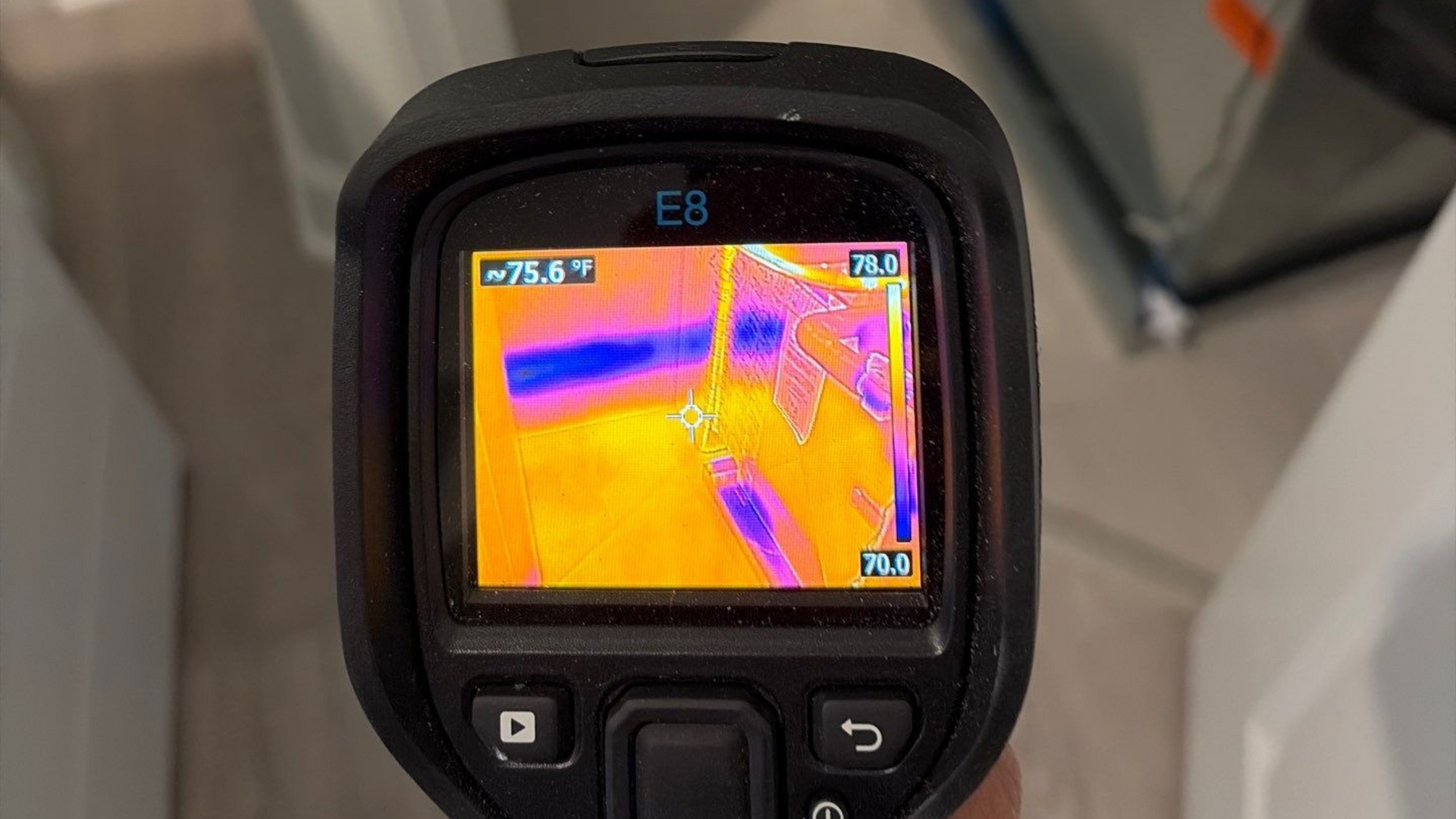
A water leak does not automatically mean mold is present—but untreated moisture can create the conditions that allow mold to grow. In Southwest Florida, where heat and humidity can make drying more difficult, fast action after water damage is one of the most important ways to protect your home or business.
At Paradise Coast Restoration, we help property owners in Marco Island, Naples, Bonita Springs, and Estero identify moisture problems, dry affected areas, and address mold damage when it is present. If you have had a leak, overflow, roof intrusion, AC issue, or storm-related water damage, the key question is not only “Where did the water come from?” It is also: “Did everything get completely dry?”
Water Damage and Mold Damage Are Different
Water damage is the immediate damage caused by unwanted water entering a building. It can come from a burst pipe, leaking appliance, toilet overflow, roof leak, failed water heater, AC condensate issue, storm intrusion, or plumbing leak behind a wall.
Mold damage is a separate issue that may develop when moisture remains in building materials long enough for mold to grow. Mold can affect drywall, insulation, baseboards, flooring, cabinets, carpet, furniture, and other materials—sometimes in areas that are not visible from the room.
A leak may appear small on the surface while moisture travels behind walls, beneath flooring, under cabinets, or into nearby materials. That is why simply wiping up visible water does not always mean the area is dry.
The CDC and EPA both emphasize prompt drying after water damage. Their guidance generally identifies the first 24 to 48 hours as an important response window. Materials that remain wet beyond that point may have a greater risk of mold growth, although the exact outcome depends on the material, water source, temperature, humidity, and drying conditions.stacks.cdc+1
When Can a Leak Turn Into a Mold Problem?
There is no exact timeline that applies to every property. However, mold risk increases when water or elevated moisture remains trapped in porous building materials.
A leak is more likely to become a mold concern when:
- The water was not discovered for days or weeks.
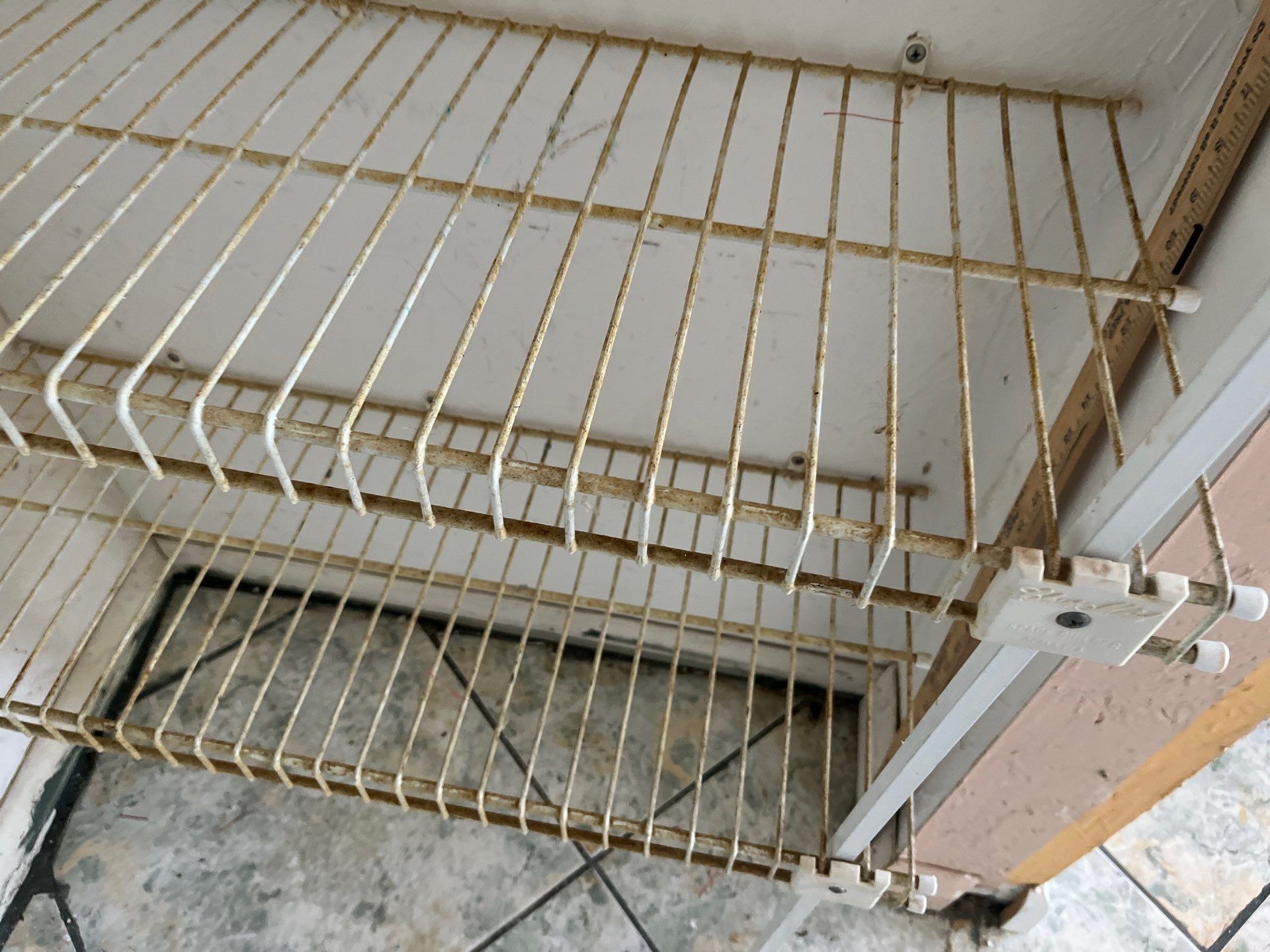
- Drywall, carpet padding, insulation, cabinets, or other porous materials stayed wet.
- The affected area was dried only on the surface without checking for hidden moisture.
- There is a persistent musty odor after the leak.
- The home has high indoor humidity or limited ventilation.
- The property was vacant while a leak, AC issue, or storm intrusion went unnoticed.
- Water entered through a roof, exterior wall, window, plumbing line, or air-conditioning system and traveled into concealed spaces.
EPA guidance notes that when materials have been wet for more than 48 hours, or mold growth is present, additional remediation considerations may be necessary. Even when drying begins quickly, moisture should be verified—not assumed—to be fully resolved.epa
Why Southwest Florida Homes Face Added Risk
Homes and businesses in Naples, Marco Island, Bonita Springs, and Estero operate in a warm, humid climate for much of the year. That makes indoor moisture management especially important.
Air conditioning systems, condensate drains, plumbing connections, roof penetrations, window leaks, and seasonal vacancy can all contribute to moisture problems. A property may have no obvious flooding event, yet still develop conditions that support mold behind a baseboard, inside an AC closet, beneath flooring, or under a sink cabinet.
This is particularly common in:
- Seasonal or vacant homes.
- Condominiums where water may travel between units.
- Properties with aging plumbing or appliance supply lines.
- Homes with air-handler closets, clogged condensate drains, or recurring AC-related moisture.
- Buildings affected by wind-driven rain or storm-related roof and window leaks.
The source of the water must be fixed, but stopping the leak is only the first step. The affected materials must also be evaluated and dried properly.
Signs Water Damage May Have Become Mold Damage
You do not need to see obvious black or green growth to have a moisture issue. Mold can occur in hidden locations, and a professional inspection may be appropriate when there is a history of water damage plus warning signs.
Watch for:
- A persistent musty or earthy odor.
- Discoloration on walls, ceilings, baseboards, or inside cabinets.
- Peeling paint, bubbling drywall, or warped materials.
- Soft drywall or swelling around trim and flooring.
- Repeated mildew in the same area.
- Condensation, dampness, or visible staining around AC equipment.
- A previous leak that was never professionally dried.
- Carpet, flooring, cabinets, or drywall that remained wet for more than a day or two.
The CDC notes that mold may be visible or detectable by odor, but it can also be concealed behind carpet, cushions, walls, or other building materials after water damage.stacks.cdc
What To Do After Discovering a Leak
If you find a leak or water intrusion, take action quickly and safely.
- Stop the source if you can do so safely. Shut off a local water supply valve or the main water supply if a plumbing leak is active. Contact a licensed plumber when needed to repair the source.
- Protect people and electrical safety. Avoid entering areas with standing water near electrical outlets, appliances, or panels. Do not handle electrical equipment if there is a safety concern.
- Document the damage. Take photos and videos of the source, affected rooms, visible water, damaged materials, and personal property before moving or discarding items. This can be useful if you need to report a claim.
- Remove standing water and wet belongings when safe. The goal is to reduce moisture as quickly as possible. Do not assume that a dry-looking surface means the area underneath is dry.
- Call a restoration professional if the damage is significant or hidden. This is especially important for water behind walls, under flooring, beneath cabinets, in ceiling cavities, around HVAC equipment, or after a leak that may have been present for some time.
- Do not paint over, cover, or ignore mold-like staining. Covering the visible area without correcting the moisture source can allow the underlying issue to continue.
For storm or flood cleanup, the CDC advises drying affected areas and wet items as quickly as possible—ideally within 24 to 48 hours—and taking appropriate safety precautions during cleanup.cdc+1
Why Surface Drying Is Not Enough
Many homeowners do the right thing initially: they mop up water, run fans, and clean the visible area. But water can migrate into materials that cannot be assessed by sight alone.
For example, a refrigerator supply-line leak may soak the wall behind kitchen cabinets and spread beneath flooring. A toilet overflow may affect the subfloor and lower drywall. A roof leak can wet insulation above the ceiling before staining appears inside the room.
Professional water-damage restoration focuses on more than removing visible water. At Paradise Coast Restoration, our work may include:
- Locating the source and extent of moisture.
- Extracting standing water.
- Using moisture-detection equipment to assess affected materials.
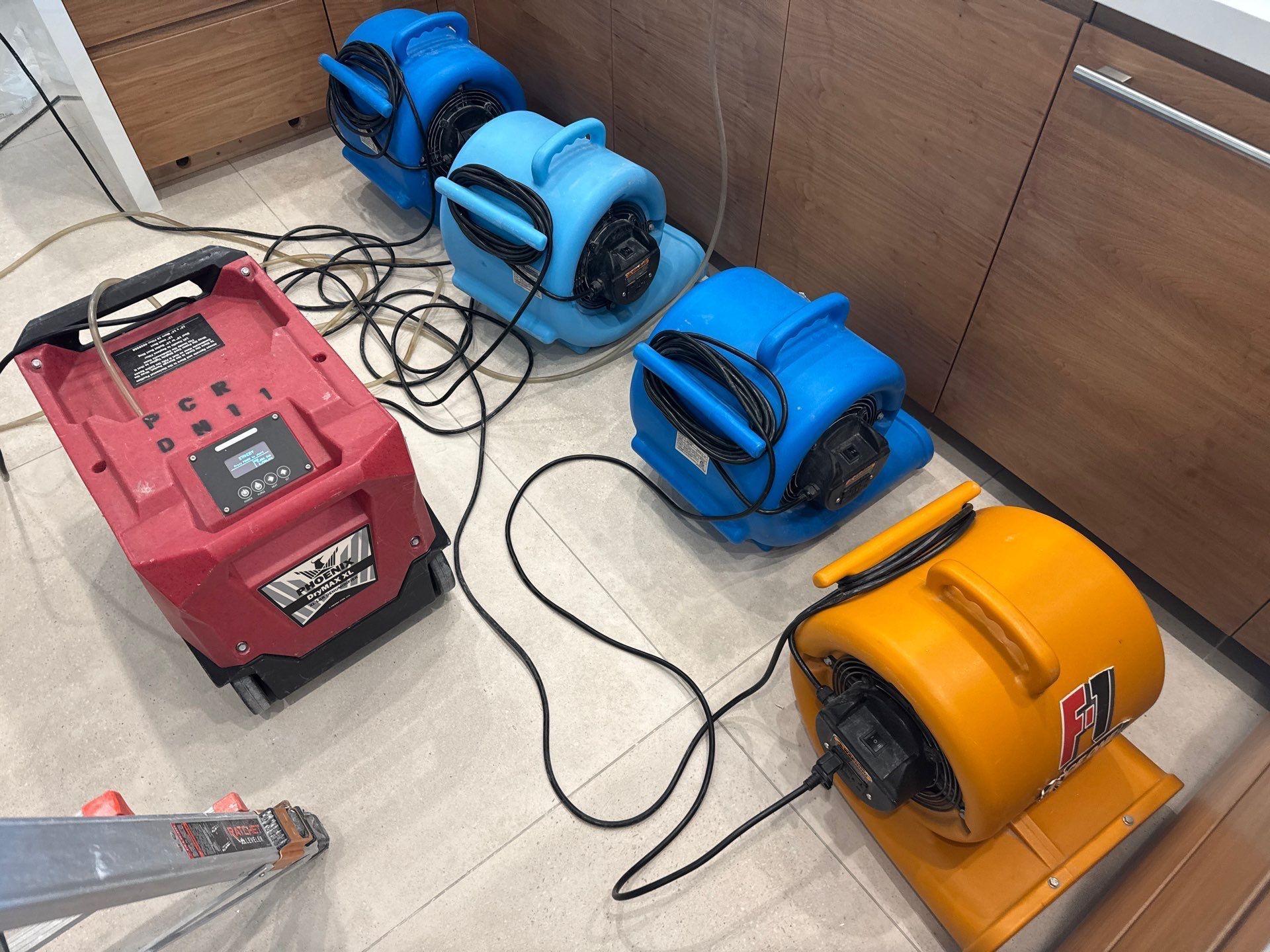
- Setting up professional drying and dehumidification equipment.
- Monitoring drying progress.
- Determining whether materials can be dried and saved or should be removed.
- Documenting conditions for the property owner and insurance claim process.
- Addressing mold remediation when growth or contamination is present.
At Paradise Coast Restoration, we provide water damage restoration, mold inspections, mold remediation, odor control, fire damage restoration, biohazard cleanup, and free leak detection for homes and businesses throughout Southwest Florida. We serve Marco Island, Naples, Bonita Springs, and Estero.paradisecoastrestoration
Can You Clean Mold Yourself?
Small, limited areas of mold on a hard, nonporous surface may sometimes be cleaned safely with proper precautions. The CDC advises using protective equipment such as at least an N95 respirator, gloves, and goggles during mold cleanup. It also warns never to mix bleach with ammonia or other cleaners.cdc
However, professional help is usually the better choice when:
- The affected area is large.
- Mold may be behind walls, below flooring, inside cabinets, or in an HVAC-related area.
- Water damage involved sewage, floodwater, or another potentially contaminated source.
- The property has extensive wet drywall, insulation, carpet, or contents.
- The moisture source is unknown or has not been corrected.
- Someone in the home has health concerns that make cleanup riskier.
- You need documentation for an insurance claim, condo association, landlord, or property manager.
CDC guidance says to consider professional removal when mold covers more than 10 square feet.cdc
The Bottom Line
A water leak can turn into a mold problem when moisture remains inside the building long enough for mold to grow. The sooner the source is stopped, water is removed, and affected materials are properly dried, the better the opportunity to limit damage and avoid a larger restoration project.
At Paradise Coast Restoration, we help homeowners, condo owners, property managers, and businesses throughout Marco Island, Naples, Bonita Springs, and Estero respond to water damage and mold concerns. Whether you have a plumbing leak, AC-related moisture issue, roof leak, storm intrusion, visible staining, or a persistent musty odor, we can assess the situation and recommend the appropriate next steps.
We provide water damage restoration, mold inspections, mold remediation, odor control, fire damage restoration, biohazard cleanup, and free leak detection services.
If you are concerned about water damage or possible mold in your property, call Paradise Coast Restoration at (239) 970-6599.
What to Do in the First Hour After Water Damage in Marco Island or Naples
Water in your home or condo is a shock. It happens fast—a burst supply line, an AC leak, an overflowing toilet, or a heavy storm—and it always feels overwhelming.
At Paradise Coast Restoration, we’re in homes like yours on Marco Island and in Naples, Bonita Springs, and Estero every day dealing with water damage. This guide walks you through what to do in the first hour, in simple steps, so you can limit the damage and keep everyone safe.
1. Make sure everyone is safe
Your safety and your family’s safety come first.
- Stay out of any area where water is near outlets, cords, or appliances.
- If the ceiling is sagging or looks cracked, do not stand underneath it.
- If the water looks dirty or has a strong odor, avoid contact and keep children and pets away.
If you can safely reach your breaker panel, you can turn off power to the affected rooms. If it doesn’t feel safe, don’t force it—wait until our team or an electrician can check it.
2. Stop the source of water, if you can
The next step is to stop more water from coming in.
- For a broken pipe or supply line: turn off the main water shut‑off to the home or unit.
- For a leaking toilet, sink, or washing machine: turn off the small valve on the line feeding that fixture or appliance.
- For an AC leak: turn the AC system off and do not run it again until it has been inspected.
Many Florida condo owners don’t know where their shut‑off valves are until something goes wrong. When things are calm, it’s worth finding and labeling them so you can react quickly next time.
3. Take a few clear photos and short videos
Once things are as stable as you can make them, grab your phone and make a quick visual record.
- Take wide photos of each affected room.
- Take close‑ups of wet ceilings, walls, floors, baseboards, cabinets, and contents.
- If you’re in a condo and think the water came from another unit or a building pipe, include photos that show where you think it started.
You don’t need to overcomplicate this. A simple set of photos and short videos helps you, your contractor, and anyone else involved understand what happened and how far the water traveled.
4. Call an IICRC‑certified water damage restoration company
In Southwest Florida, moisture doesn’t stay put or dry out quickly on its own. Warm temperatures and high humidity can allow mold to start growing on wet materials in as little as 24–48 hours.
That’s why calling a professional water damage mitigation company right away is so important.
When you call Paradise Coast Restoration for emergency water damage in Marco Island, Naples, Bonita Springs, or Estero, here’s what you can expect:
- Prompt response from trained technicians who work in these conditions every day.
- A professional inspection to determine how far the water has migrated, not just what you can see.
- Industry‑standard water extraction and structural drying equipment set up to remove moisture and stabilize the property.
Our team follows IICRC‑based best practices for water damage restoration, so the drying plan, monitoring, and any necessary follow‑up steps are handled in a systematic, professional way.
5. Keep the affected area as it is and wait for the crew
Once you’ve called Paradise Coast Restoration, the most helpful thing you can do is simply leave the wet area alone until a professional team arrives.
- Let everyone in the home know which areas have water, so people don’t walk through them by accident.
- Try not to step in any standing water, especially around outlets, cords, or appliances.
- If the water appears dirty or has a strong odor, avoid that part of the home and keep the door to that room gently closed.
To keep things safe and avoid making the damage worse, do not:
- Move wet furniture or belongings yourself.
- Pull up carpet, cut drywall, or remove baseboards or insulation.
- Use household vacuums, fans, or other electrical equipment directly in the wet area.
Our IICRC‑trained technicians will handle contents manipulation, water extraction, and drying once we’re on site. We bring the right protective gear, tools, and procedures to deal with potentially contaminated water and to prepare the structure for any further work that may be needed.
6. Protect the rest of your home
While the affected area stays as it is, you can still look after the rest of the property.
- Keep doors to unaffected rooms closed if you’re concerned about humidity spreading.
- Avoid stacking or storing dry belongings near the wet area.
- If you’re staying in the home, try to keep one room as a clean, quiet space away from any active work zones.
Our goal is to stabilize the situation quickly, limit secondary damage, and guide you through whatever follow‑up steps are needed in a calm, orderly way.
7. Why quick, professional mitigation matters on the Paradise Coast
Water damage in Marco Island and Naples behaves differently than it does in dry climates.
- High humidity and warm temperatures mean materials stay damp longer, which is ideal for mold and odor if moisture isn’t properly managed.
- Common coastal construction details—like tile over concrete slabs and tight building envelopes—can hide water that migrates into walls, baseplates, and cabinets without obvious surface staining at first.
Professional water damage mitigation follows a defined process: inspection, water removal, controlled structural drying, and monitoring to confirm that materials are back to appropriate moisture levels. Handling that process correctly in the first few days can make a major difference in how extensive and disruptive repairs need to be later.
You don’t have to handle water damage on your own
Nobody plans to deal with water damage, and it can be overwhelming in the moment. You’re not expected to be an expert—that’s what we’re here for. In the first hour, you just need to:
- Make sure everyone is safe.
- Stop the water source if you can do so safely.
- Take a few photos and videos.
- Call an IICRC‑trained water damage restoration company you trust.
If you’re dealing with water damage right now in Marco Island, Naples, Bonita Springs, or Estero, or you simply want to be prepared, Paradise Coast Restoration is available 24/7.
We are licensed, insured, BBB accredited, and trained in industry‑standard water damage and mold remediation practices for Southwest Florida homes and condos. Our team will assess the situation, explain your options in plain language, and start the mitigation process so your property can move toward normal again as quickly and safely as possible.